
Cost Guide
How Much Do Custom Kitchen Cabinets Cost in the Milwaukee Area?
A straight-talk 2026 look at what drives the price of custom kitchen cabinetry, and where your dollars go furthest.
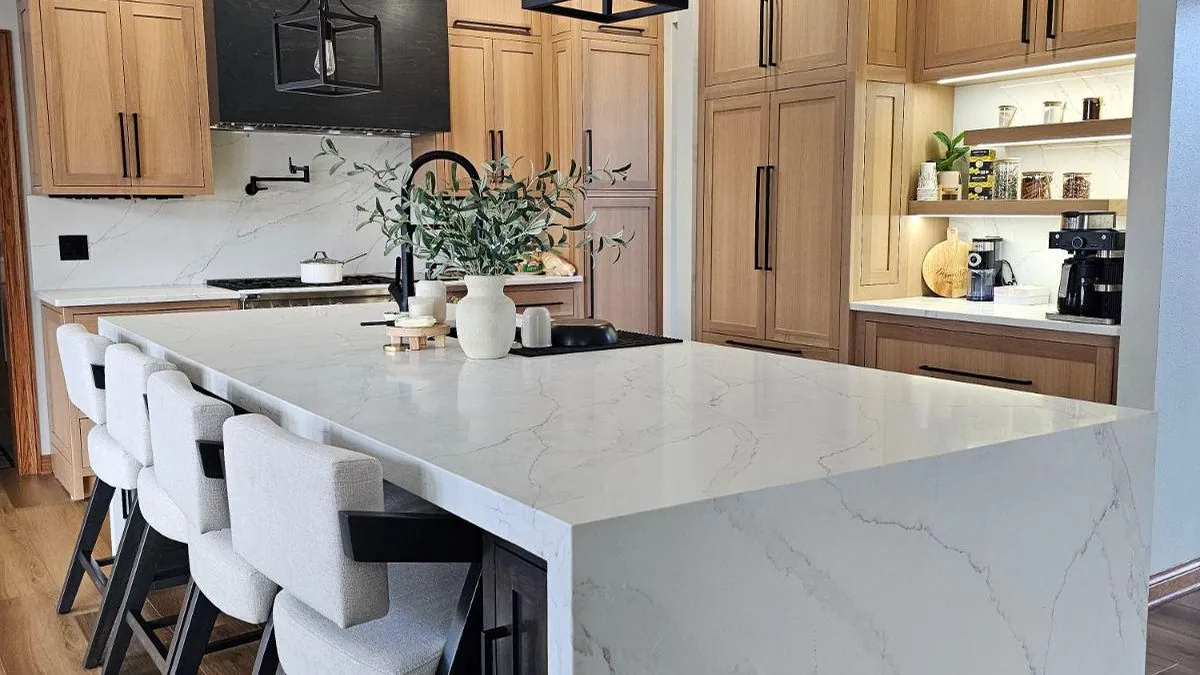
Cabinets are almost always the biggest single line item in a kitchen remodel. Bigger than the countertops, bigger than the appliances, often bigger than everything else on the budget added together. So it makes sense that "how much do custom cabinets cost?" is usually the first thing homeowners ask us. The honest answer is that it depends on a handful of choices you'll make along the way, and this guide walks through what those choices are so you can walk into a consultation already knowing what to ask about.
We won't throw out a number here and call it your price. Every kitchen has a different layout, different materials, and a different level of detail, so the only way to land on a real figure is to walk your actual space. What this guide can do is lay out the factors that move the price, so the range makes sense instead of feeling like a black box.
What actually drives the cost
Cabinet pricing comes down to size, materials, construction, style, and complexity. Here's how each one plays in.
Kitchen size and linear footage
Cabinets are typically priced by linear foot of cabinetry, not by square footage of the room. A small galley kitchen with a couple of short runs will cost less overall than a large kitchen with a big island, a full wall of pantry storage, and a wraparound peninsula. More cabinetry gets built, so the number goes up.
Custom vs. semi-custom
Fully custom cabinets are built to your exact dimensions with no size or configuration constraints. Semi-custom starts from standard sizes with a menu of modifications layered on top. Custom gives you the most flexibility for things like oddly shaped walls, non-standard ceiling heights, or a very specific storage plan, and it usually costs more than semi-custom because nothing is coming off a template. We cover this trade-off in more depth in our guide to custom vs. semi-custom cabinets, worth a read if you're not sure which route fits your project.
Box materials
The "box" is the structural cabinet behind the door, and it matters more than most people expect walking in. Plywood boxes are more stable, hold screws better over time, and generally hold up better around sinks and dishwashers where moisture is a factor. Particleboard or MDF-based boxes cost less up front but swell and sag more over the years. This one choice alone can shift the price of a kitchen quite a bit.
Door style and finish
A simple slab or shaker door in a stained finish is the most budget-friendly option. Painted finishes cost more because they need more prep, more coats, and a smoother surface to look right, and a nick or ding shows on paint in a way it doesn't on stain. Glass-front doors, inset door construction (the door sits flush with the frame instead of overlapping it), and detailed molding all add cost too.
Wood species
Paint-grade poplar or maple sit at the more accessible end. Hardwoods like cherry or walnut, or anything with a lot of natural grain character, cost more per square foot and usually call for a clear or stained finish so the wood can show through.
Hardware and storage accessories
Soft-close hinges and slides, pull-out trash and recycling bins, spice pull-outs, deep drawer organizers, lazy Susans, and appliance garages all add function, and each one adds to the total. These tend to be the easiest items to add or cut depending on where your budget lands.
Complexity
Islands, tall pantry units, custom range hoods, furniture-style feet and corbels, glass display cabinets, and built-in seating take more design and shop time than a straightforward run of base and wall cabinets. The more unusual pieces in the plan, the more labor goes into building and installing them.
| Factor | Lower cost end | Higher cost end |
|---|---|---|
| Size | Small galley kitchen | Large kitchen with island/pantry wall |
| Approach | Semi-custom | Fully custom |
| Box material | Particleboard/MDF | Plywood |
| Finish | Stained | Painted, glazed, or inset doors |
| Species | Poplar, maple | Cherry, walnut, figured grain |
| Accessories | Standard hinges/shelves | Soft-close, pull-outs, custom organizers |
| Layout | Simple runs | Islands, tall units, custom hoods |
As a broad industry range, and this varies a lot by market, kitchen size, and the choices above, full custom kitchen cabinetry nationally tends to run anywhere from the high four figures for a small, simple kitchen to well into five figures for a large kitchen with premium materials and heavy customization. That spread is wide on purpose. It's meant to frame the conversation, not answer it. The only way to know what your kitchen costs is a custom kitchen consultation where we look at your actual space and goals.
Where to save without regret
Not every dollar you spend shows up in how the kitchen feels day to day. A few places where trimming the budget rarely causes buyer's remorse:
- Simpler door profiles. A clean shaker or slab door holds up well visually and costs less than heavy ornamentation.
- Stain over paint in the right kitchen. If the wood grain works with your design, a stained finish can look just as deliberate as paint for less money.
- Selective accessories. Put soft-close and pull-outs in the drawers and cabinets you'll actually use every day, and skip them on storage you rarely open.
- Standard sizing where it fits. If your layout doesn't demand fully custom dimensions, semi-custom can get you a similar look for less.
Why the cheapest cabinets often cost more later
The one place we'd steer you away from cutting corners is the box construction and the hardware you touch every day. A particleboard box under a sink, exposed to years of moisture and daily door and drawer cycles, tends to show wear well before a plywood box does: swelling, sagging shelves, hinges that loosen up. At that point, the money you saved up front turns into a repair bill or a redo. Cabinets aren't something you plan to touch again for a long time, so it's worth getting the build quality right the first time, even if it's hidden under the finish.
Rule of thumb: spend where you touch it every day (boxes, hinges, slides) and save where you can live with simpler (door profile, less common wood species, lower-traffic storage).
How AT Cabinetry quotes a project
We don't hand out ballpark numbers over the phone. They're not much use to you without seeing the space. Instead, we start with a consultation, either at your home or working from your plans and photos, to understand your layout, your priorities, and where you'd rather spend versus save. From there we put together a clear, itemized quote so you can see exactly what you're paying for: materials, construction, hardware, and installation, line by line. No guessing, no surprises later.
If you're just starting to plan, it's also worth reading up on what the process looks like from first call to final install. A good place to start is our overview of the kitchen remodel timeline, so you know what's ahead before you're deep into decisions.
Ready to get real numbers instead of ranges? Reach out and we'll set up a time to walk through your kitchen.
Frequently asked questions
Are custom cabinets really worth the extra cost?
For most homeowners, yes, especially if you plan to stay in the home for years. Custom cabinets are built to fit your exact space, so you get better use of every inch, and solid construction like plywood boxes holds up far longer under daily use than budget alternatives. Semi-custom can still be a smart middle ground if your layout doesn't need fully custom dimensions. The right answer depends on your space and goals, which is exactly what a consultation is for.
What's the easiest way to lower the cost of my kitchen cabinets?
Start with the door style and finish. A simpler profile and a stained finish, versus painted or glazed, typically cost less. From there, be selective with accessories like soft-close hardware and pull-out organizers, adding them where you'll use them daily instead of throughout the whole kitchen. Where we'd tell you not to cut back is the box construction itself, since that's what determines how well the cabinets hold up over time.
Do you provide free quotes?
Yes. We start every project with a consultation to look at your space and talk through your goals, then follow up with a clear, itemized quote. No vague estimates, no pressure. You can request one anytime through our contact page.
Get a real number for your kitchen.
Ranges only get you so far. Tell us about your space for a clear, itemized quote — free.